Skip to content

How a rheumatoid arthritis flare up begins: symptoms and treatment 


Are you experiencing constant pain in your joints? Discover how to identify the early signs of a rheumatoid arthritis flare up and how to treat it to improve your quality of life. Rheumatoid arthritis is an autoimmune, inflammatory condition that primarily affects the joints but can also damage other tissues. Understanding how a flare up begins, what symptoms to watch for, and how to treat it can make all the difference in managing this condition. Keep reading to learn more.

Rheumatoid arthritis: how does a flare up begin?

The onset of a rheumatoid arthritis flare up can vary, but the most common symptoms typically include:
 
  • Persistent joint pain, especially in hands, knees, and wrists
  • Visible inflammation accompanied by redness and tenderness to touch
  • Morning stiffness that can last for hours, making daily activities difficult
  • Extreme fatigue and mild fever, which often precede joint pain
Early rheumatoid arthritis inflammation is symmetrical, meaning it affects the same joints on both sides of the body. This distinguishes it from other types of arthritis. Discover the difference between rheumatoid arthritis and osteoarthritis here.
An elderly man and woman practicing yoga outdoors, engaging in gentle movements for arthritis relief.

Why seek medical attention for rheumatoid arthritis?

If you experience any of these symptoms, it is crucial to seek medical attention as soon as possible. An early diagnosis by a rheumatologist can prevent serious complications, such as joint deformities or loss of mobility. Blood tests and X-rays help confirm the diagnosis and allow for a personalized treatment plan.

Treatment for rheumatoid arthritis

Treatment for rheumatoid arthritis aims to reduce inflammation, relieve symptoms, and prevent joint damage. Options may include:

Medications

It’s essential that medications are always recommended by a doctor, as each patient has specific needs. Among the most common options are:
 
  • Non-steroidal anti-inflammatory drugs (NSAIDs): Reduce pain and inflammation
  • Disease-modifying antirheumatic drugs (DMARDs): Help delay the progression of the condition
  • Corticosteroids: Useful for controlling severe flares, although their use must be strictly supervised by a healthcare professional due to potential side effects

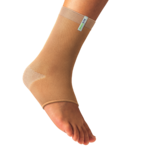
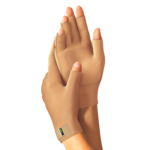
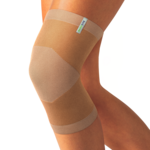
Actimove supports for arthritis

Actimove offers a range of drug-free products designed for people with rheumatoid arthritis, providing support and relief during painful episodes. The Actimove supports from the Arthritis Care range combine therapeutic warmth and compression to support improved blood flow and mobility. Featured products include:

Physical therapy and exercise

A program of moderate exercises, designed by a physical therapist, can help improve mobility, strengthen muscles, and reduce the impact of the condition. Actimove Arthritis Care supports are designed to aid mobility and may be suitable for use during certain types of exercise, based on individual needs and in line with therapist guidance.
 
Rheumatoid arthritis is a condition that requires constant attention and a comprehensive approach to management. Identifying the early symptoms, consulting a healthcare professional, and using special arthritis support products are key steps to improving quality of life with this condition.

References

  • Mayo Clinic. (2023). Rheumatoid Arthritis. Read more.
  • Medical News Today. (2021). Tips for dealing with rheumatoid arthritis flare-ups. Read more.
  • National Institute of Arthritis and Musculoskeletal and Skin Diseases. (n.d.). Rheumatoid arthritis: Understanding a difficult joint disease. Read more.

Related articles